

As Europe looks toward 2026, luxury rail travel is entering a refined renaissance. Across the continent, storied train journeys are being reimagined for a new generation of discerning travellers where heritage craftsmanship, unhurried elegance, and cinematic landscapes converge. The arrival of newly conceived vintage style routes, led by the Venice Simplon-Orient-Express and Spain’s Al Ándalus, signals more than a revival of rail romance; it marks a shift in how Europe itself is experienced slowly, sensorially, and with purpose.
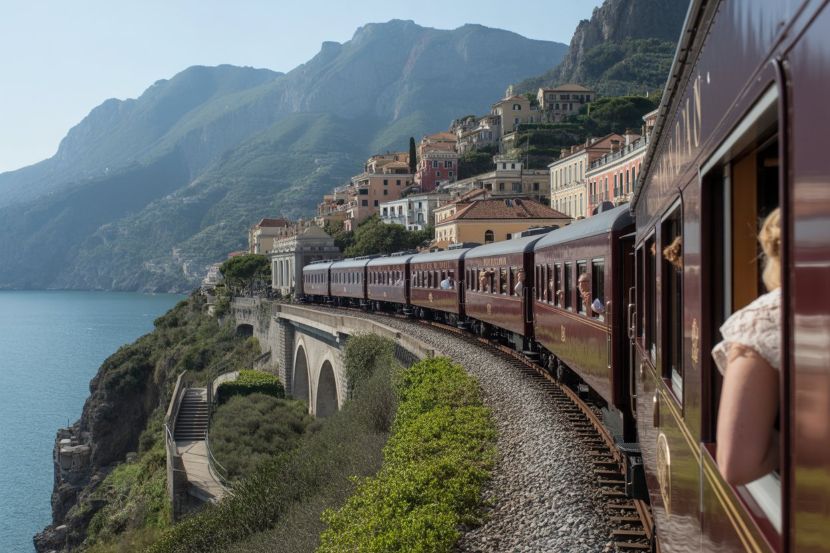
Among the most anticipated developments is the Venice Simplon-Orient-Express’s forthcoming route from Paris to Italy’s Amalfi Coast, debuting in May 2026. Evoking the glamour of the 1920s, the train’s impeccably restored carriages will glide from the French capital through the sunlit curves of the Côte d’Azur before crossing into Italy’s Ligurian and Campanian regions. Onboard, guests can expect an orchestration of haute cuisine, tailored service, and intimate accommodations each detail designed to make the journey as memorable as the destination. Upon arrival, the Amalfi Coast reveals itself in full splendour, with curated excursions to storied towns such as Positano and Ravello, where layered histories, dramatic coastlines, and vibrant local culture await.
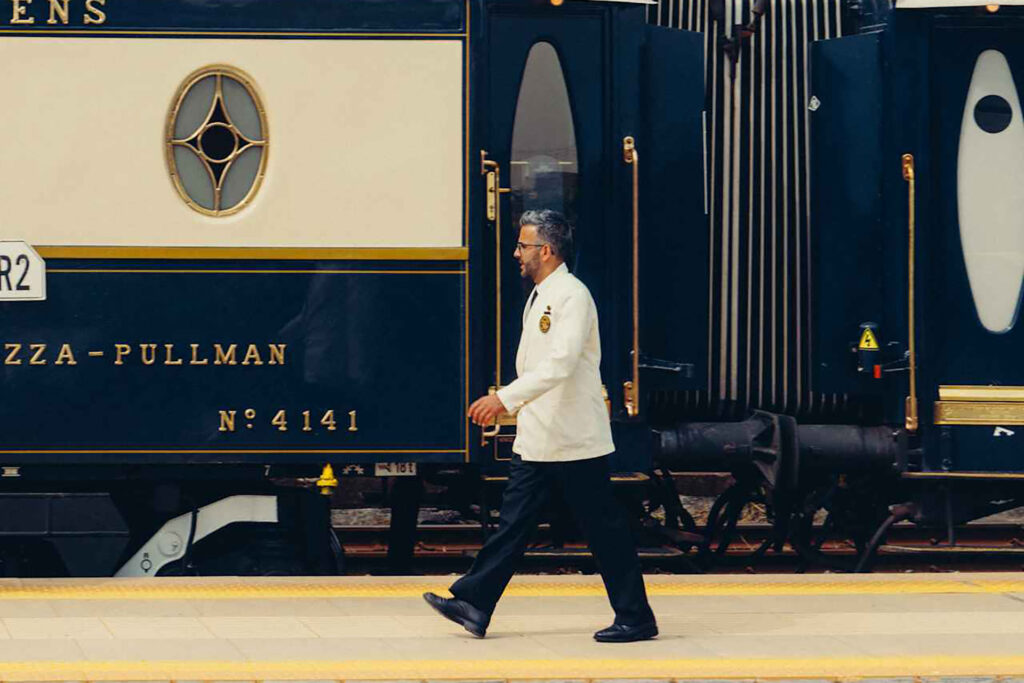
Spain’s Al Ándalus offers a different expression of luxury one steeped in Andalusian grandeur and cultural depth. In 2026, Renfe will expand the train’s celebrated itinerary to include Madrid for the first time, bringing its palace-like suites and refined gastronomy to the Spanish capital. The seven-day journey unfolds through historic cities including Toledo, Mérida, and Córdoba, tracing centuries of Roman, Moorish, and medieval influence. Each stop is an invitation to step inside Spain’s living heritage, from UNESCO-listed monuments to intimate encounters with regional traditions that rarely appear on conventional itineraries.

Beyond their aesthetic and cultural appeal, these journeys reflect a growing alignment between luxury and sustainability. Rail travel remains one of the most environmentally responsible ways to traverse Europe, producing significantly fewer emissions per passenger than air travel. As affluent travellers increasingly prioritise conscious choices, luxury trains offer an elegant solution one that allows for expansive exploration without compromising environmental values.
The economic ripple effects are equally compelling. These itineraries are designed not only to showcase marquee destinations, but also to breathe life into smaller communities along the way. Local guides, artisans, boutique hotels, and regional producers all benefit from the arrival of high value, culturally curious guests. Whether it’s a private tasting in a coastal village or time spent browsing hand crafted goods, the presence of these travellers supports sustainable livelihoods and meaningful cultural exchange.

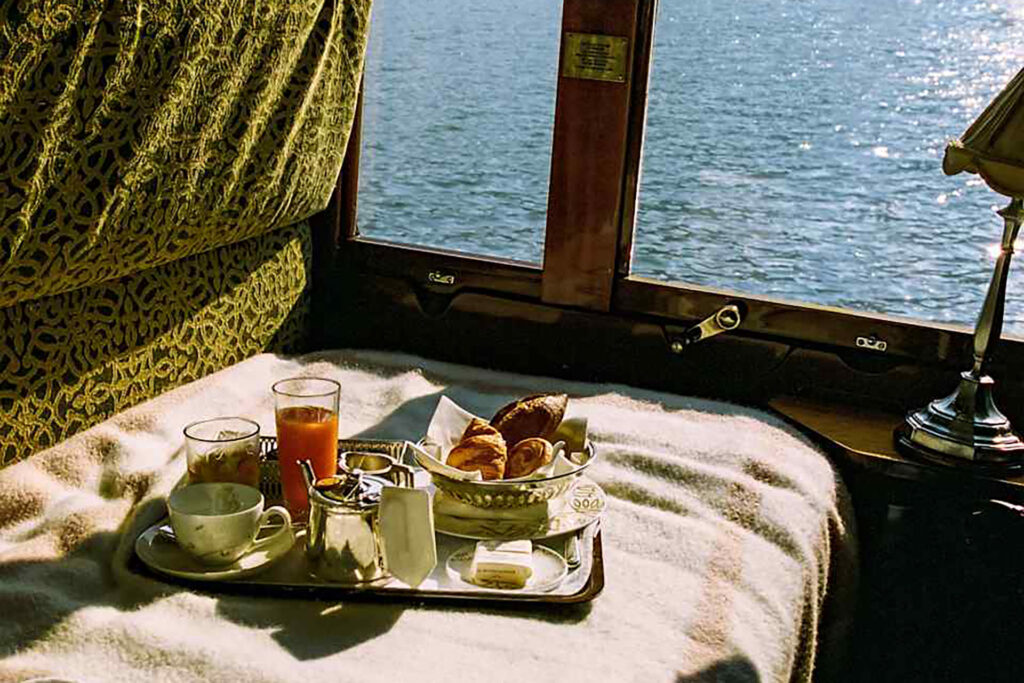
At their core, these journeys are part of a broader return to intentional travel. In an era defined by speed and efficiency, Europe’s vintage luxury trains invite passengers to decelerate to rediscover the pleasure of the journey itself. From vineyard draped hills to Mediterranean horizons, the landscape becomes a moving tableau, best enjoyed from a polished dining car or a softly lit private cabin. Live music, fine dining, and thoughtfully designed itineraries transform transit into ritual, and distance into discovery.
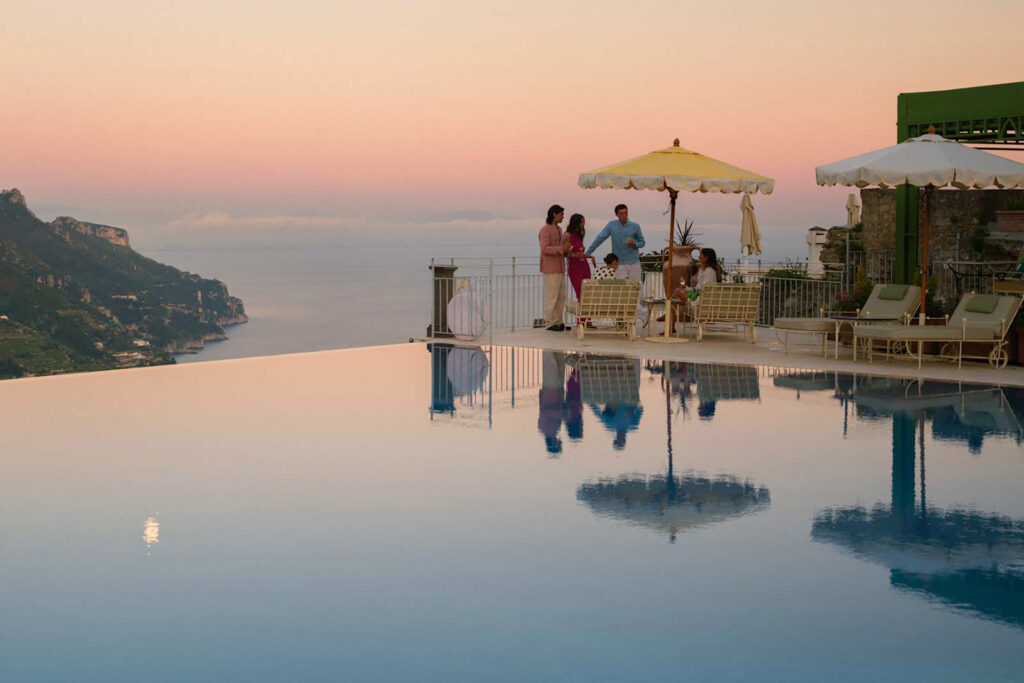
As the Venice Simplon-Orient-Express and Al Ándalus prepare to embark on their 2026 voyages, they stand as more than modes of transport. They are custodians of memory and modernity bridging Europe’s past with its present, while shaping a more sustainable future for luxury tourism.