

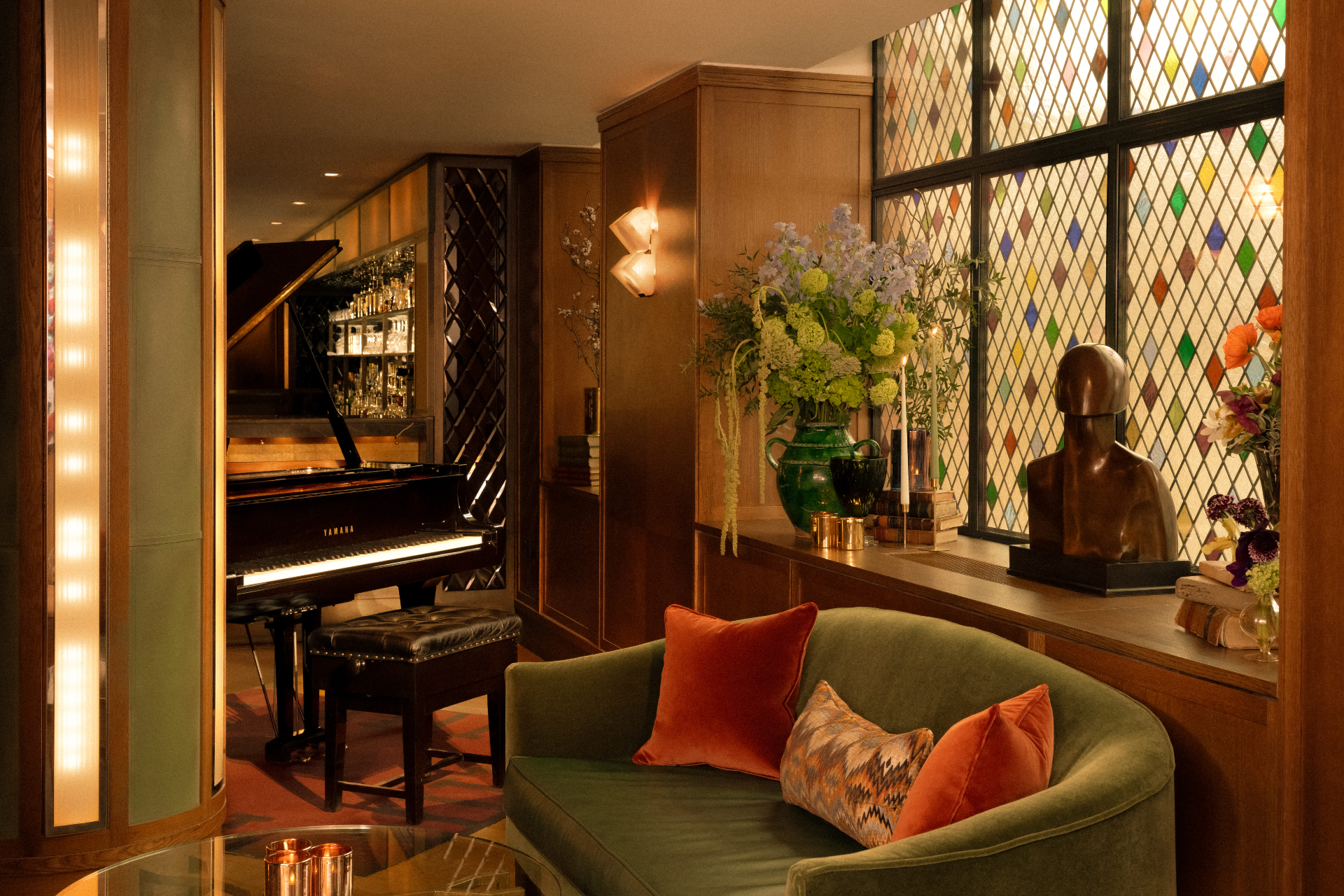
Luxury is quietly detaching itself from the logic of possession. For today’s global executives, founders, and creative leaders, prestige is increasingly defined not by what sits in a private collection, but by the ecosystems they can enter, the conversations they can join, and the circles that recognize them as peers. In this shift, belonging has become the rarest asset of all.
Within this emerging landscape, initiatives such as The Modernists signal a broader redefinition of exclusivity: one rooted in curated access rather than material accumulation.
From Ownership to Access
For much of the last century, luxury was anchored in objects of permanence and scarcity timepieces passed through generations, automotive icons, or leather goods defined by craftsmanship and heritage. These symbols still matter, but their cultural authority is no longer absolute.
In a world shaped by constant mobility where decision-makers move fluidly between London, Paris, Dubai, Milan, New York, and Singapore the most valuable currency has become social infrastructure. What matters now is not only what one owns, but what one can enter, who one can meet, and which environments recognize one’s presence.
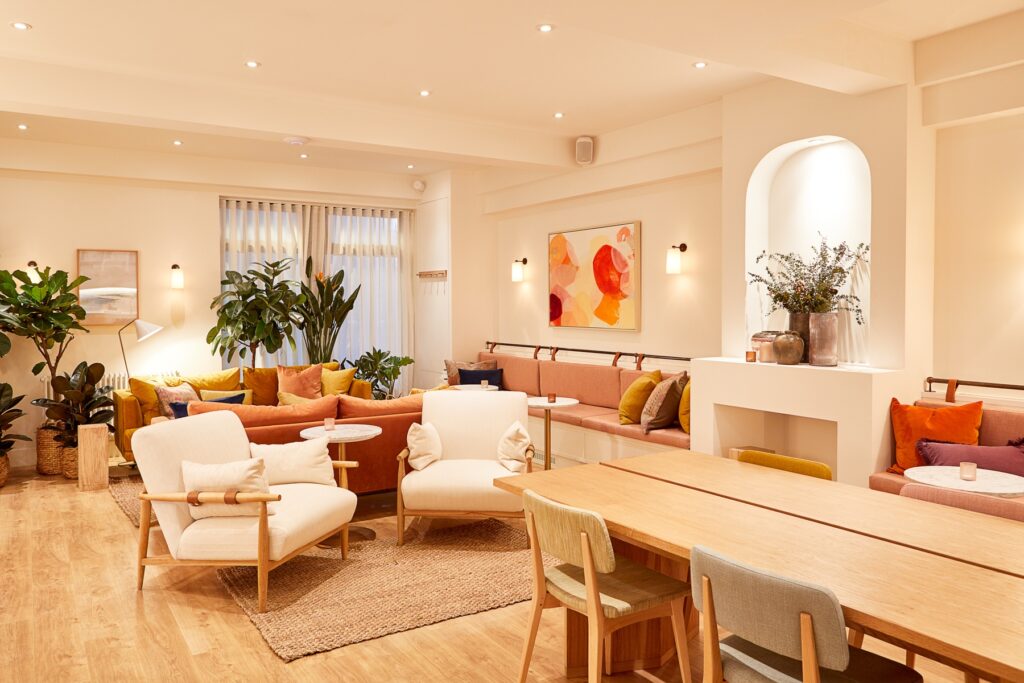
Sociologist and economist Jeremy Rifkin described this transition decades ago as the move from an ownership-based economy to an access-driven one. Today, luxury stands as one of its clearest expressions: exclusivity is no longer simply purchased, it is mediated, curated, and often quietly earned.
The Global Expansion of Private Worlds
Across major cities, a parallel geography of membership has taken shape discreet, networked, and increasingly influential.
In London, Soho House has become a defining model for the modern creative elite, linking members across a global constellation of houses. Admission is selective, shaped by recommendation and alignment with a cultural ethos that privileges taste, discretion, and creative capital.
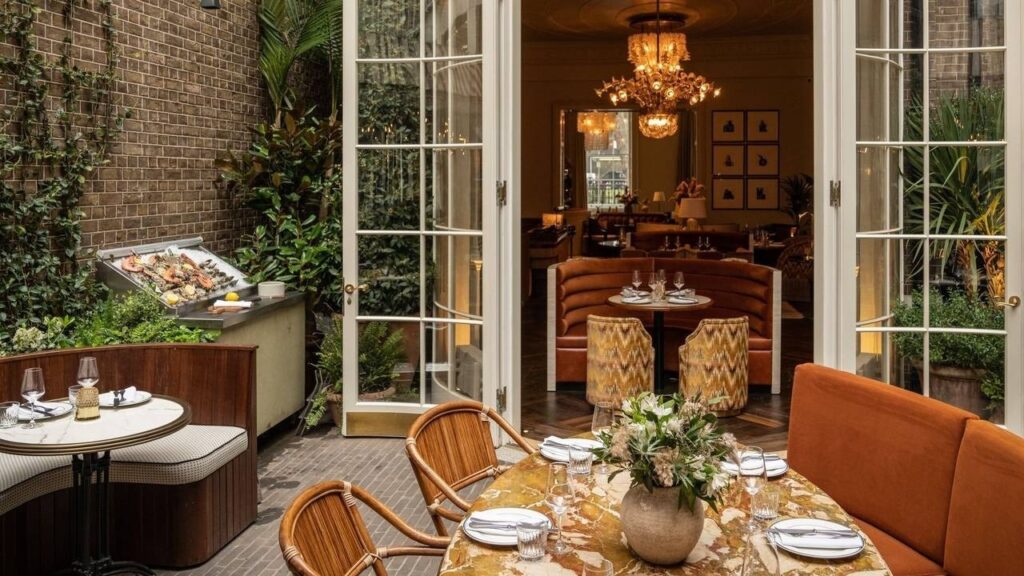
Institutions such as The Arts Club extend this tradition with a more classical sensibility where art collectors, investors, and cultural figures converge within a historically rooted private setting. In New York, Core Club refines exclusivity further, positioning itself as a meeting point for leaders across finance, culture, and academia. On the West Coast, The Battery has become a discreet hub for Silicon Valley founders and investors seeking privacy alongside proximity.
Hospitality has followed the same trajectory. Properties such as The Ned now operate less as hotels and more as hybrid ecosystems combining rooms, workspaces, dining, and membership-only areas into a continuous social environment. In New York, Casa Cipriani similarly blends hospitality and private club culture, offering a controlled atmosphere for a globally mobile clientele.
Across all these models, the principle remains consistent: the value of a space is no longer architectural alone, but relational defined by who occupies it.
Experience as the New Status Signal
This transformation extends far beyond traditional members’ clubs.
In France, Paris Society has reinterpreted access through curated privileges, offering members priority entry, private programming, and tailored experiences across its portfolio of venues. What was once transactional hospitality is increasingly structured as belonging to an inner layer of experience.
The same logic is visible across luxury ecosystems: auction houses, cultural foundations, high-end automotive brands, and boutique hospitality groups now operate layered membership frameworks that prioritize access over consumption.
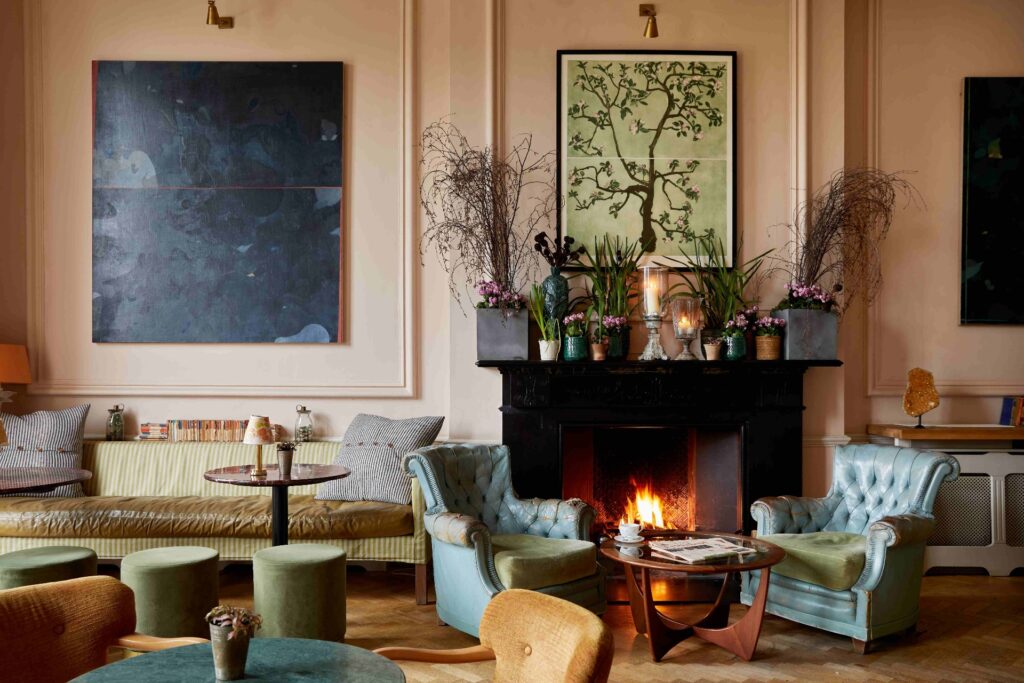
Financial institutions have long understood this shift. The American Express Centurion Card, commonly known as the Black Card, is less a payment instrument than a gateway into curated environments private terminals, invitation-only events, and highly personalized concierge networks.
Even museums and cultural institutions have adapted, developing private memberships that unlock early viewings, artist encounters, and behind-the-scenes access. Cultural participation itself is being tiered into degrees of proximity.
The Modernists and the Architecture of Belonging
It is within this broader movement that The Modernists positions itself founded in London in 2023 by Melissa Dewar, whose background spans luxury, real estate, and strategic partnerships.
Rather than functioning as a single destination, the platform operates as a distributed network. Members gain access to curated clubs, coworking environments, cultural institutions, and wellness spaces across major global cities designed to support both professional continuity and personal lifestyle fluidity.
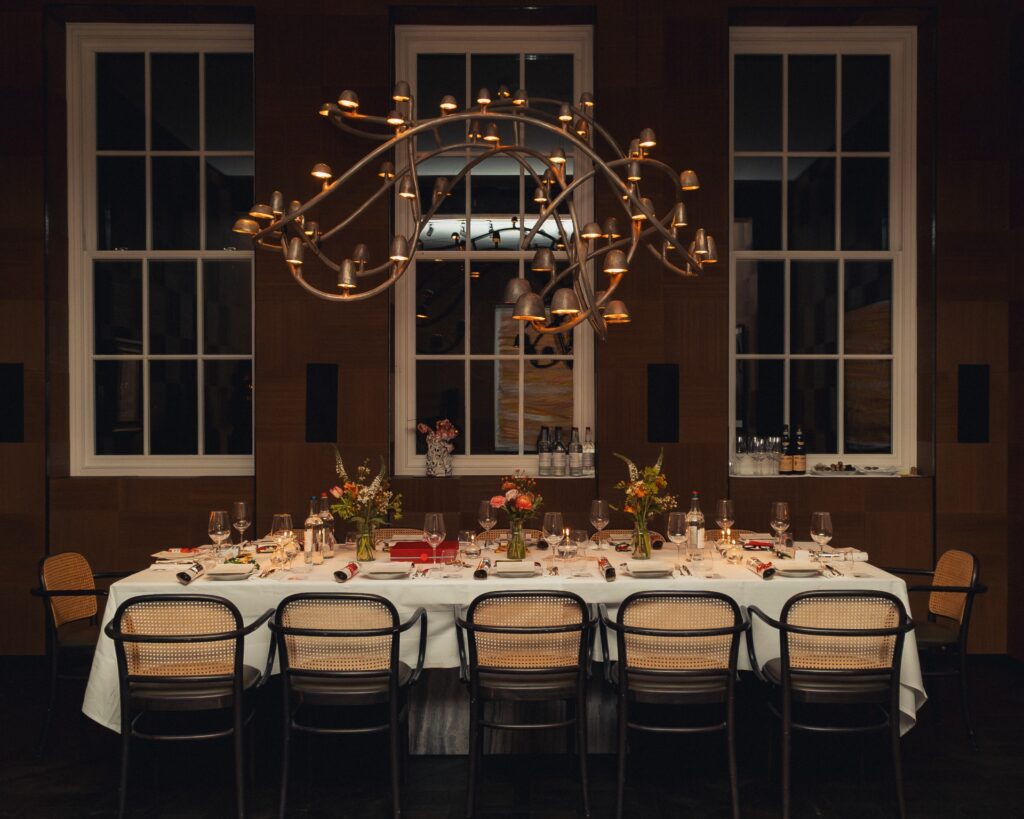
Its audience reflects a new professional archetype: founders, investors, creatives, and operators who no longer belong to one geography, but instead move through interconnected urban nodes. For them, infrastructure is not physical it is relational.
Today, the network counts over a thousand members, more than a hundred partner venues across cities including London, Paris, Barcelona, Vienna, and New York, and a growing calendar of curated events each month. Its structure is reinforced by local ambassadors who extend its presence within each city, cultivating partnerships and shaping community dynamics on the ground.
The Subtle Future of Prestige
What is emerging is a quieter, more nuanced form of luxury one that resists display. In an environment where goods are increasingly accessible and aesthetics are easily replicated, distinction is migrating toward context: who is in the room, and why you are there with them.
From Soho House to The Arts Club, from Casa Cipriani to The Battery, and through evolving membership ecosystems like The Modernists, a new hierarchy is taking shape less visible, more relational, and significantly more global.
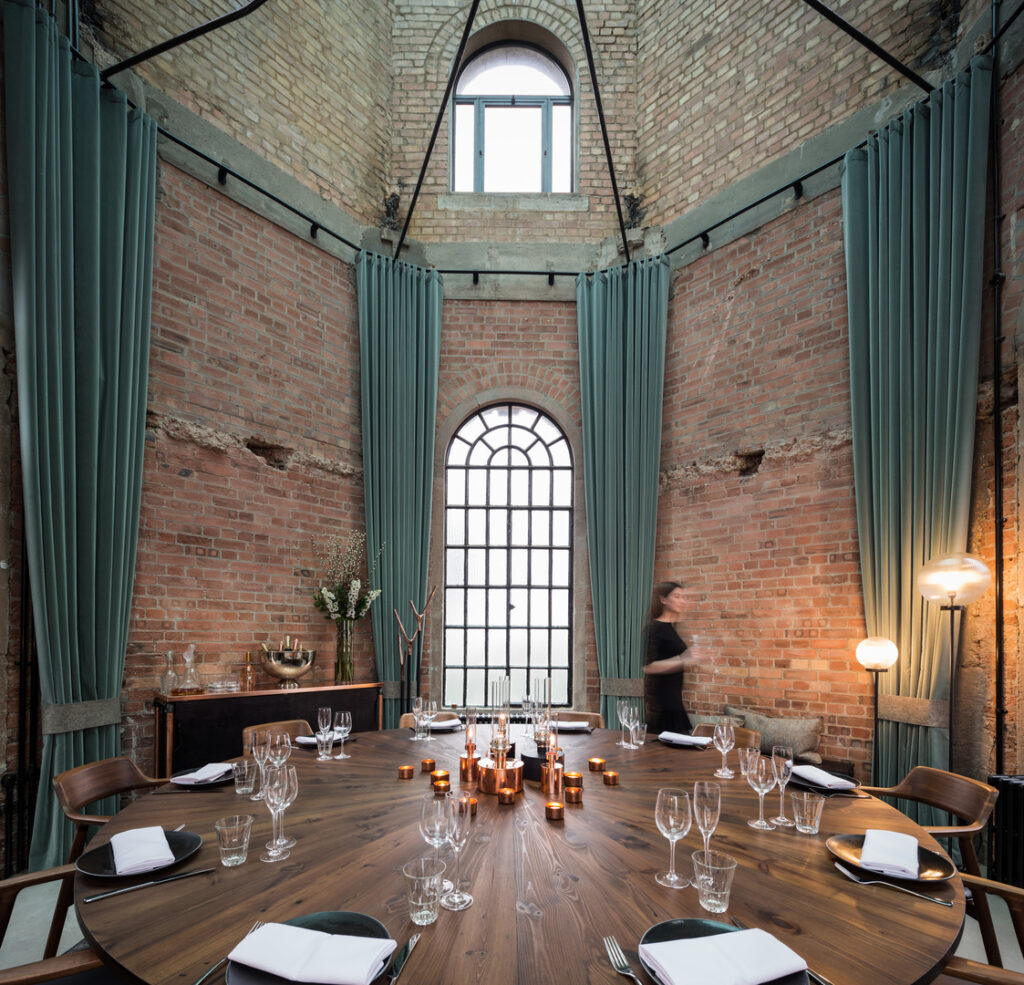
In this landscape, luxury is no longer something to be shown. It is something to be experienced collectively, within carefully constructed circles of trust, taste, and access.
The ultimate privilege may no longer be ownership at all but entry.