


Bombardier has never been a brand that shouts. Instead, it advances methodically, precisely, and with a confidence earned through engineering rather than spectacle. With the first delivery of its long-anticipated Global 8000, the Canadian manufacturer has quietly redrawn the outer boundaries of private aviation. Handed over to launch customer Patrick Dovigi former NHL player and now CEO of GFL Environmental at Bombardier’s Ontario Assembly Centre, the aircraft enters service carrying a formidable distinction: it is officially the fastest civil aircraft since Concorde.
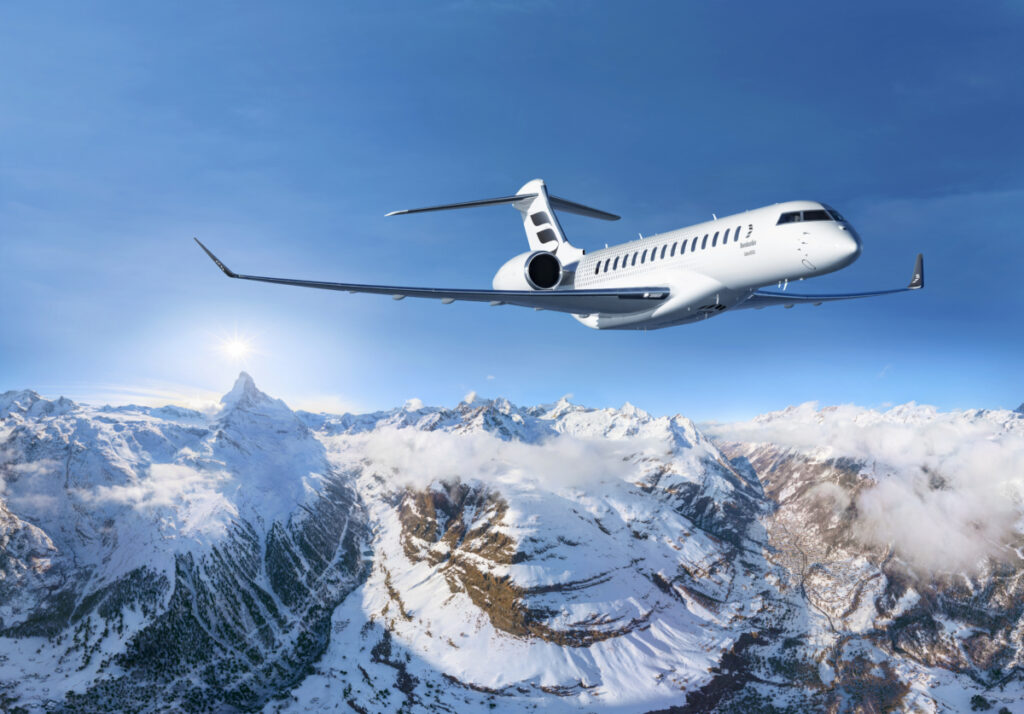
This is not a symbolic achievement. It represents a fundamental recalibration of what long-range business aviation can be in the modern era. Capable of reaching Mach 0.95 and covering an extraordinary 8,000 nautical miles, the Global 8000 occupies a category entirely its own. From Sydney, the aircraft can reach deep into Asia, across Europe, much of Africa, and even nonstop to the U.S. West Coast. Routes once requiring refuelling stops—or simply deemed impractical now become routine, executed at speeds that until recently belonged to aviation history books.
Stephen McCullough, Bombardier’s Senior Vice President of Engineering and Product Development, described the delivery as a “promise fulfilled,” the result of years of focused development and collaboration. It is a phrase that feels apt. The Global 8000 is not an experimental outlier; it is a fully realized aircraft that delivers on speed, range, and comfort without compromise.
At cruise, the jet sustains an ultra-high speed of Mach 0.92, dramatically shortening intercontinental journeys while remaining fully compliant with modern noise and regulatory standards. Unlike Concorde, whose brilliance was paired with operational limitations that ultimately proved unsustainable, the Global 8000 operates quietly, efficiently, and without restriction. Carrying up to 19 passengers, it connects city pairs such as Sydney Los Angeles, Dubai Houston, and London–Singapore nonstop routes that underscore both its ambition and its practicality.
Performance is not limited to speed alone. Bombardier notes that the Global 8000 can access approximately 30 percent more airports than its nearest competitors, opening more than 2,000 additional destinations worldwide. Shorter runways and more challenging approaches no longer present the same barriers, offering owners a level of geographic flexibility that is as valuable as velocity itself.
Much of this capability can be traced to Bombardier’s Smooth Flĕx Wing, a defining feature of the aircraft. Engineered to behave as two wings in one, it delivers high lift at lower speeds for shorter takeoffs and landings, then subtly flexes at altitude to optimize efficiency and performance. Just as importantly, the wing actively dampens turbulence, resulting in what Bombardier describes as the smoothest ride in business aviation. At 41,000 feet, the cabin remains notably calm, with reduced vibration and fewer disturbances over long distances.
Comfort, however, extends beyond ride quality. The Global 8000’s cabin is pressurized to an altitude of just 2,691 feet among the lowest in the industry significantly reducing fatigue, dehydration, and jet lag on long-haul flights. Air quality is managed through Bombardier’s Pũr Air system, combining hospital grade HEPA and carbon filtration that refreshes cabin air faster than any other jet in its class.
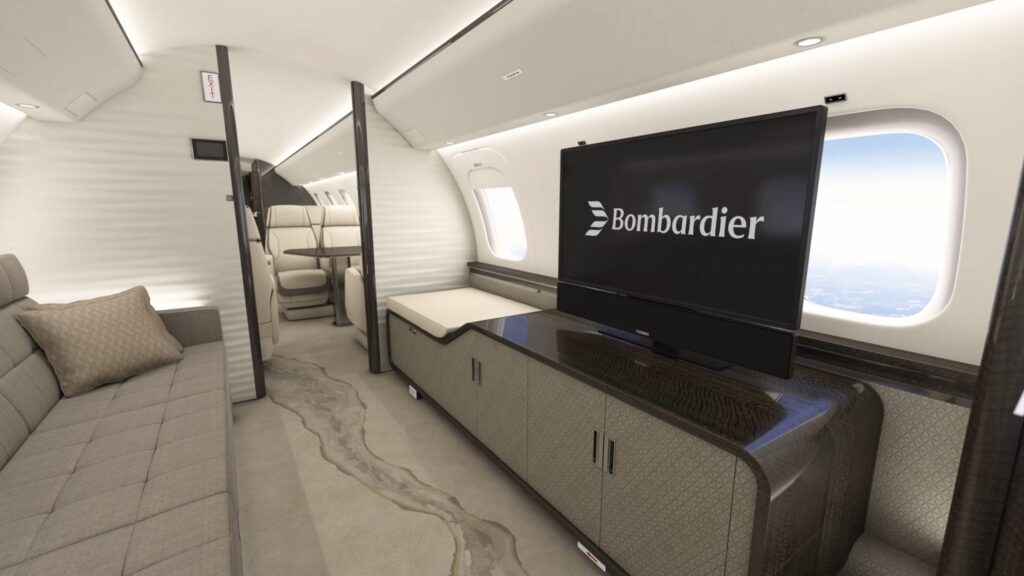
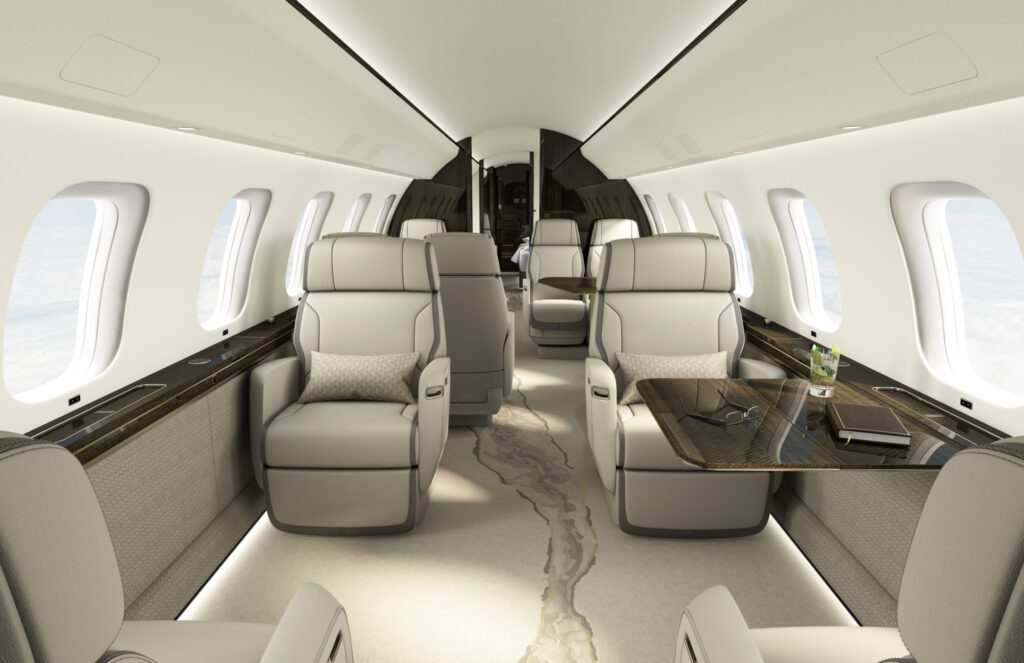
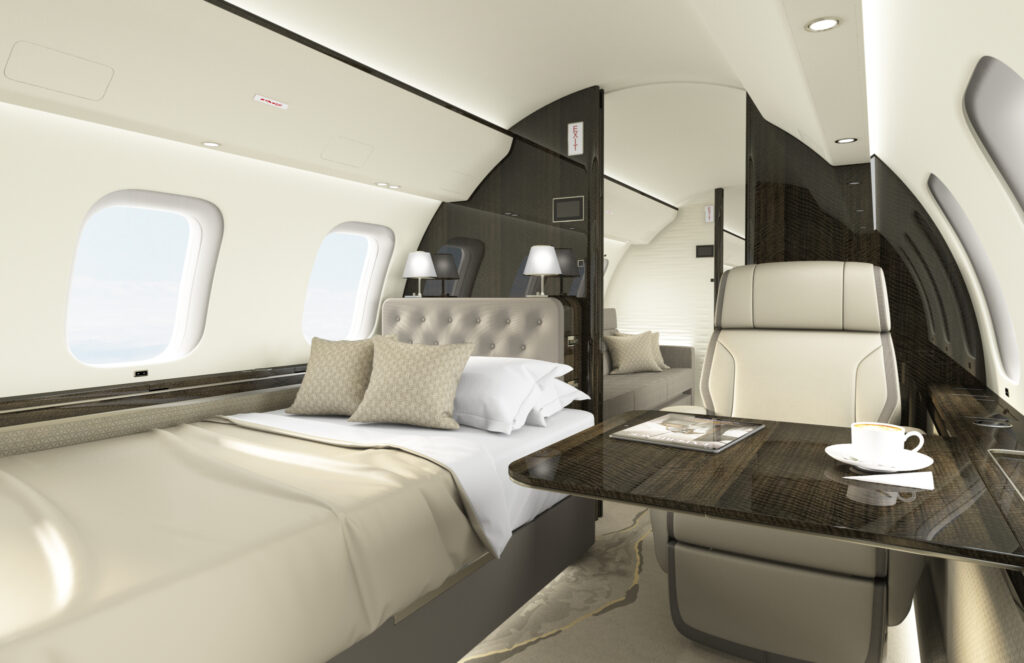
Step inside, and Bombardier’s approach to interior design becomes clear. The Global 8000 transforms the linear footprint of an aircraft into four distinct, purpose driven living zones. A club suite features four Nuage seats that recline into Bombardier’s signature zero-gravity position. A dedicated conference and dining area follows, complemented by a private entertainment suite. At the rear, the principal suite offers a full size bed and ensuite bathroom an unmistakable statement of residential comfort at altitude.
Inevitably, comparisons to Concorde arise. In its era, Concorde sold speed by the seat, with New York–London tickets exceeding US$12,000 in the 1990s well over US$20,000 in today’s terms supported by extreme fuel consumption and a business model that required full cabins to survive. When those economics collapsed, the aircraft’s future followed.
The Global 8000 approaches the equation differently. With a purchase price of approximately US$81 million, plus an additional US$5–10 million for bespoke interior and exterior customization, it is undeniably exclusive. Yet ownership delivers something airlines never could: complete control over time, routing, privacy, and experience.
Annual operating costs are estimated between US$1.8 million and US$2.9 million, depending on utilization, with fixed costs around US$750,000 covering crew, insurance, storage, and management. Even when fuel, maintenance, and airport fees are included, the aircraft can average as little as US$12.90 per mile at higher usage levels.
Where Concorde monetized speed publicly, Bombardier delivers it privately—quietly, efficiently, and without the structural compromises that ended supersonic travel the first time around. The Global 8000 will never replace Concorde’s mythos, nor does it attempt to. What it offers instead is something arguably more compelling: near-supersonic performance that works seamlessly in the contemporary world.
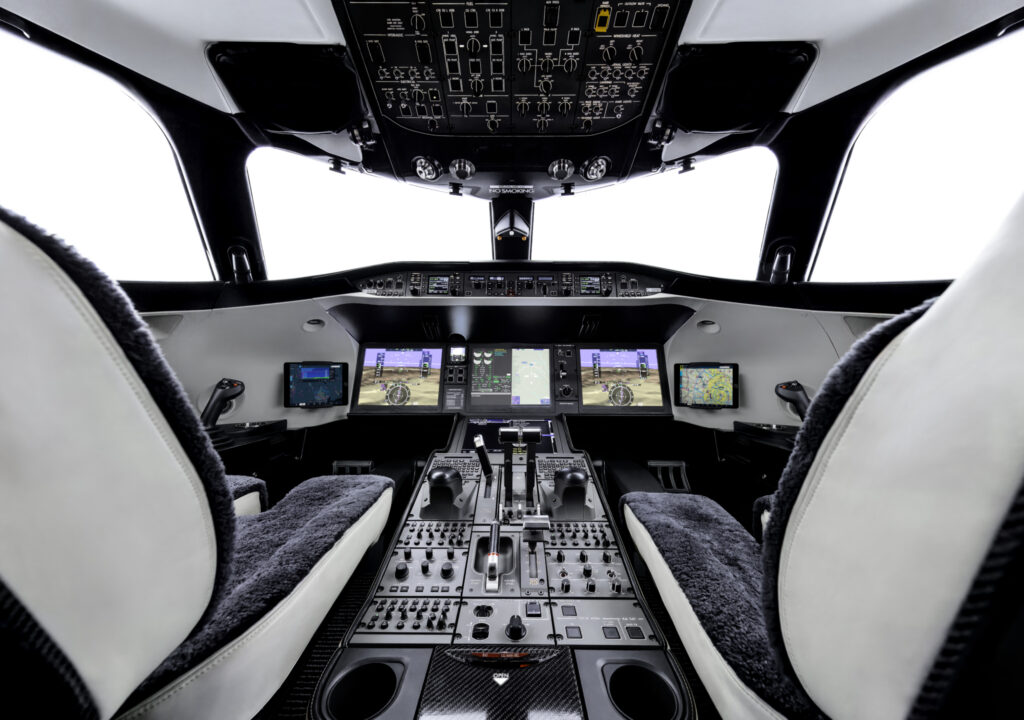
For the rare few who can afford it, Bombardier has created not just the fastest business jet on the planet, but a new reference point for what modern private aviation can be measured not only in speed, but in intelligence, restraint, and enduring relevance.